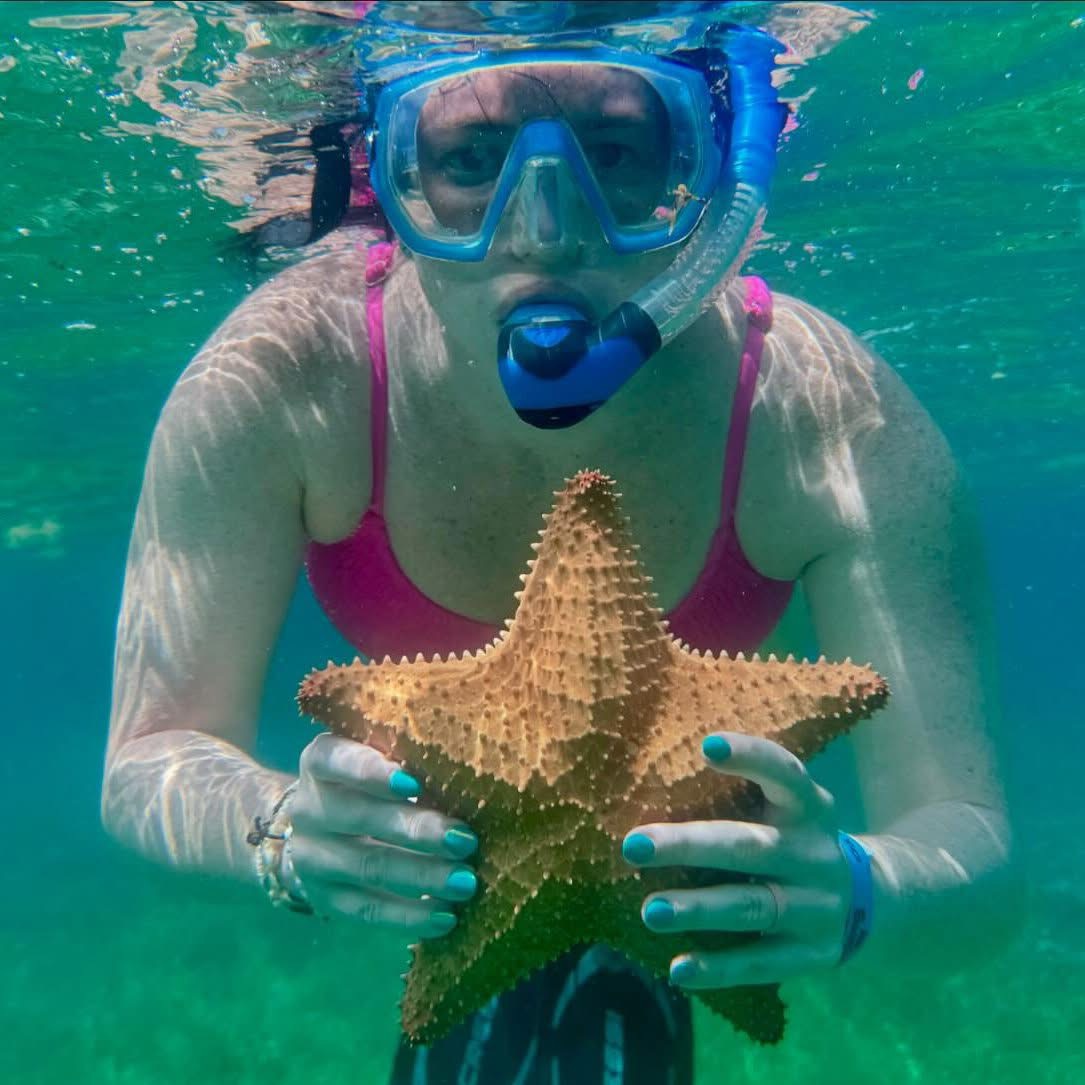
Sixty feet below the surface of Caribbean waters, a large spotted eagle ray glided a few feet from me — and I knew I had found my path.
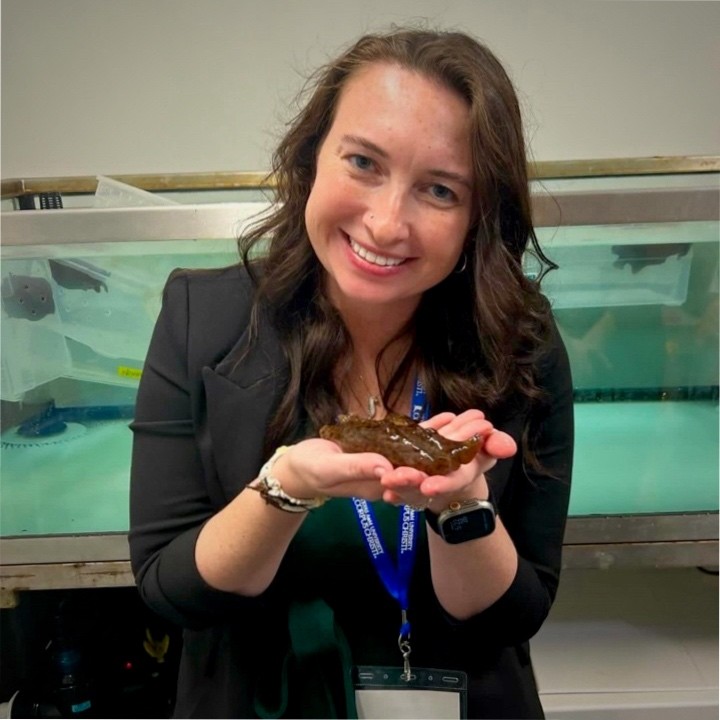
I'm a marine biologist and environmental scientist driven by a deep curiosity about the ocean and a commitment to protecting it. With over a decade of combined experience in biology and ecology — from undergraduate environmental studies through biomedical research and a marine biology master's thesis — I bring a rare breadth of scientific training to the coast I call home.
My M.S. thesis at TAMUCC (expected April 2026) investigates psilocybin as a treatment for major depressive disorder, using Aplysia californica — the California sea hare — as a model organism. With its remarkably tractable nervous system of large, identifiable neurons, Aplysia offers a powerful window into the synaptic mechanisms behind psychedelic-assisted therapies. Before turning fully to the sea, I spent over three years as a Staff Research Assistant at the University of Oklahoma Health Sciences Center, contributing to peer-reviewed neuroscience publications.
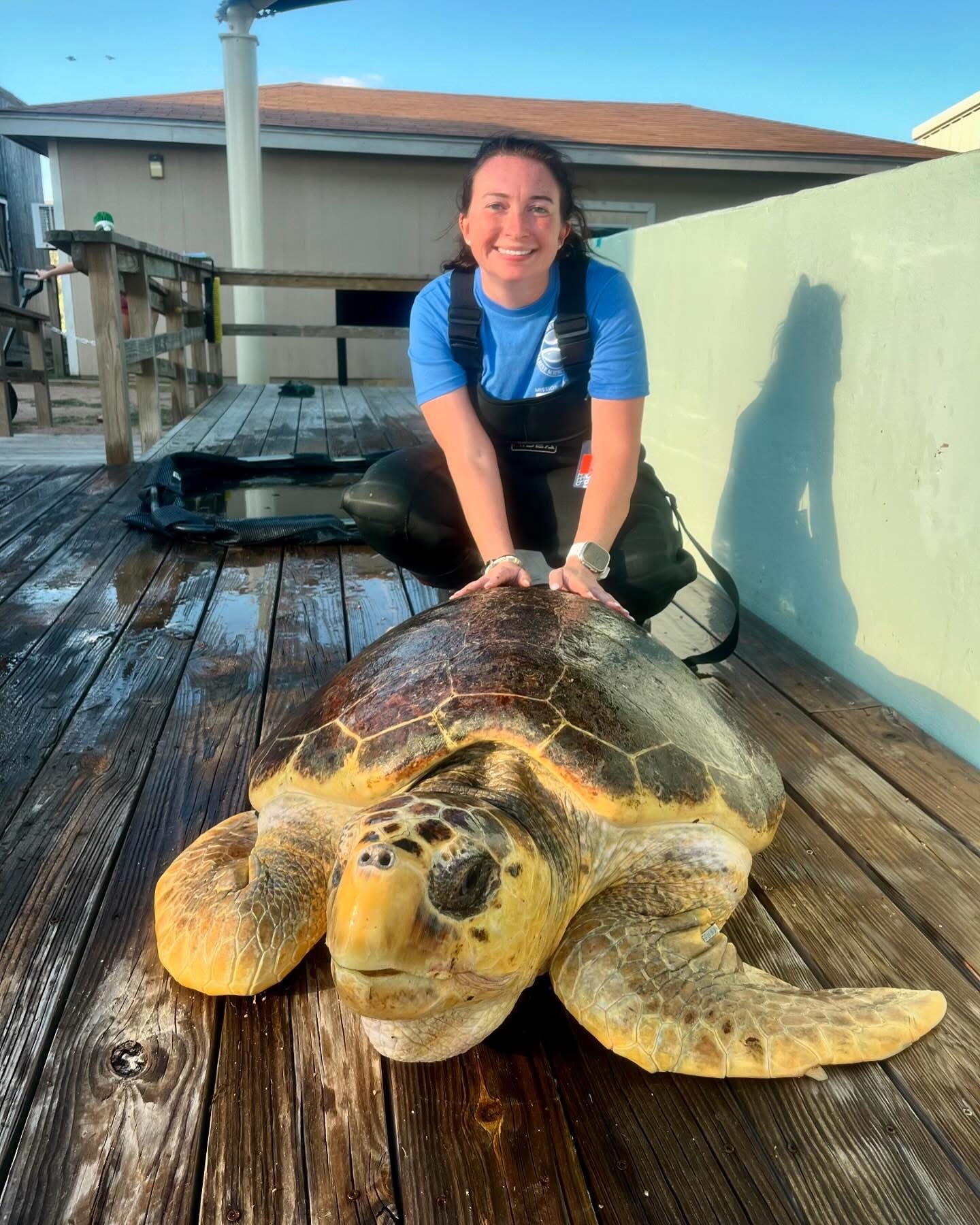
Outside the lab, I serve as Board Treasurer for the Science Graduate Student Organization at TAMUCC, conduct coastal ecology fieldwork in the Laguna Madre, and volunteer at the AMOS Rehabilitation Keep in Port Aransas, caring for rescued sea turtles under a U.S. FWS permit. I'm also a PADI Rescue Diver with a deep love for the water I study.
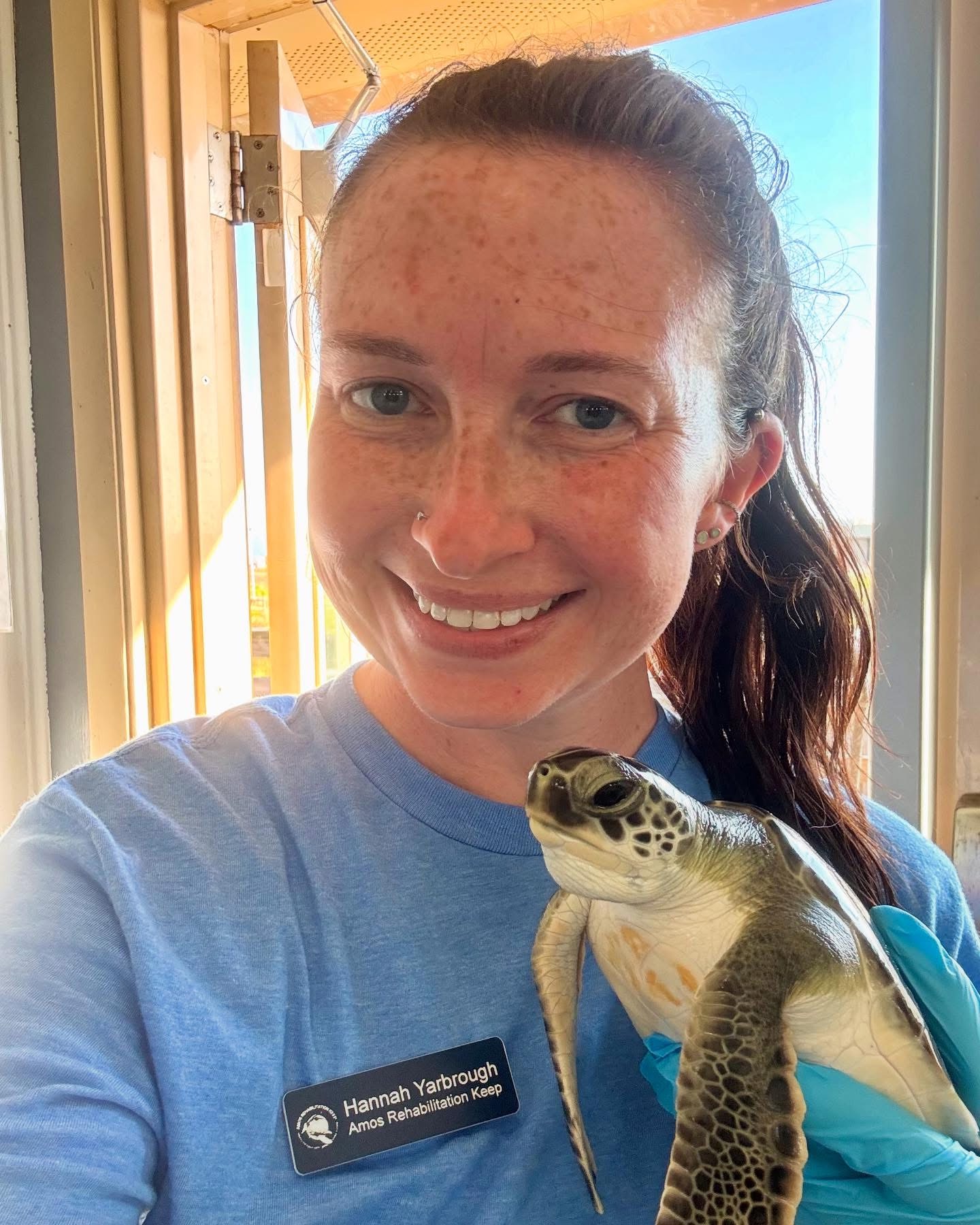
My work bridges marine biology, ecology, and neuroscience — with a focus on the Texas Gulf Coast and the incredible species that call it home.
M.S. thesis (expected April 2026) uses the California sea hare, Aplysia californica, to study psilocybin's antidepressant mechanisms at the cellular and synaptic level. Aplysia's large, identifiable neurons make it an ideal model for understanding how psychedelic compounds induce neuroplasticity in the context of treatment-resistant depression.
Hands-on field research in the Texas Gulf Coast's unique environments — including vegetation transect studies on Laguna Madre spoil islands, seagrass ecology, and estuarine biodiversity. Passionate about the ecological gradients that shape hypersaline lagoons, barrier islands, and nearshore marine habitats.
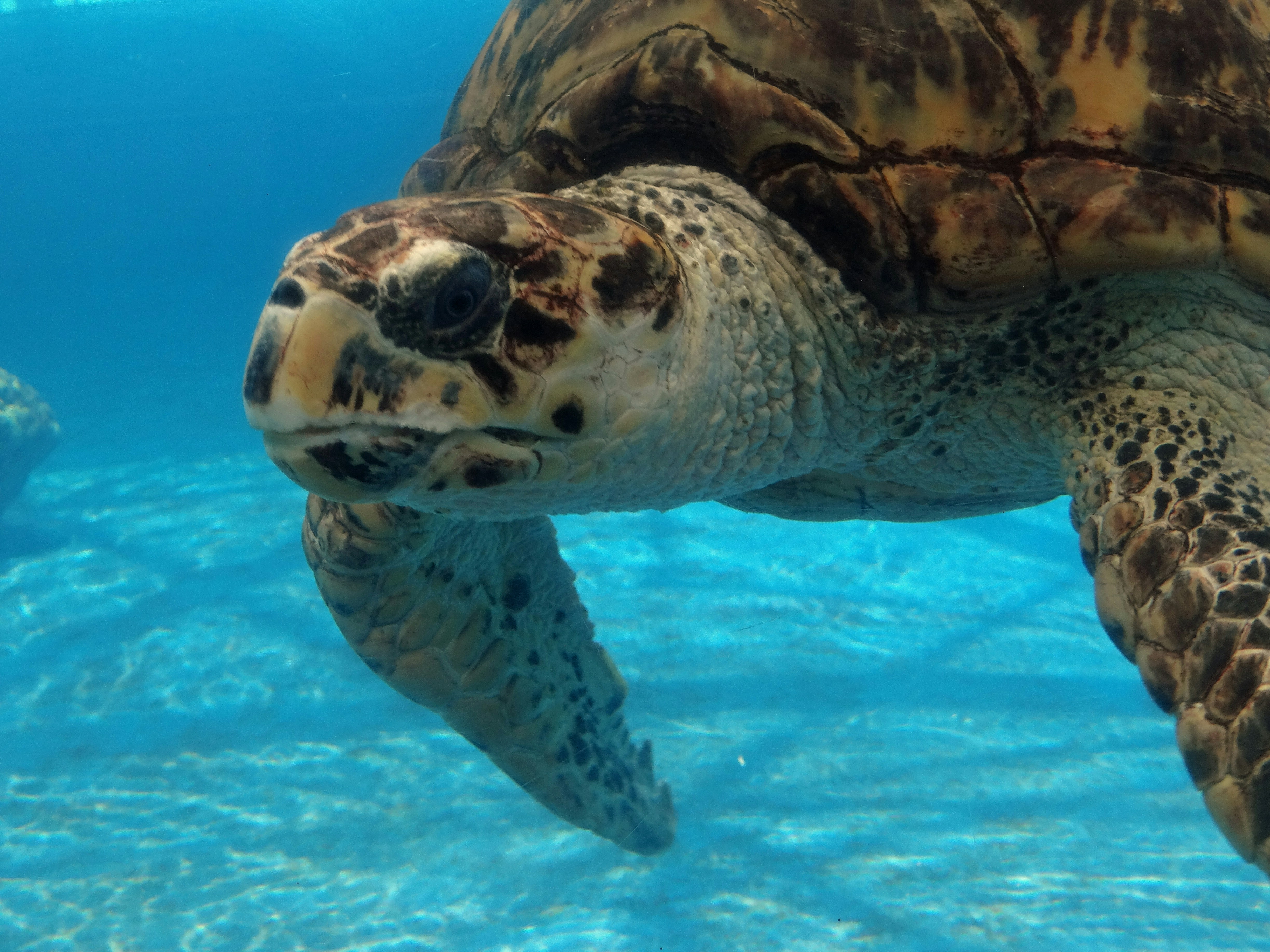
Authorized by the U.S. Fish & Wildlife Service for Gulf sea turtle stranding and nesting response. Hands-on experience in the care, rehabilitation, and release of loggerhead, green, and Kemp's ridley turtles.
Four years of advanced molecular and cellular laboratory work — immunohistochemistry, confocal microscopy, and biochemical assays — contributing to NIH and VA-funded neuroscience research at OU HSC.
Teaching assistant for undergraduate courses including Environmental Science, Environmental Biology, Environmental Laws & Regulations, and Principles of Ecology at TAMUCC.
PADI-certified Rescue Diver, Advanced Open Water, and Open Water Diver — bringing in-water capability to coastal and marine field research. Certified in HAZWOPER 40-Hour and Oil Spill Response.
Over 280 million people worldwide suffer from major depressive disorder. Current SSRI treatments take weeks to work and fail for roughly one-third of patients — leaving many with severe, treatment-resistant depression. My thesis investigates psilocybin, designated a "breakthrough therapy" by the FDA in 2018, using the California sea hare (Aplysia californica) as a model organism. This marine gastropod's nervous system — containing ~20,000 large, individually identifiable neurons across 10 ganglia — allows precise microneurosurgical access unavailable in vertebrate models. By mapping how psilocybin acts on serotonin receptors and drives synaptic plasticity in Aplysia, this work builds a cellular foundation for understanding how psychedelic-assisted therapy may one day offer fast-acting relief where conventional antidepressants fall short.
A multidisciplinary career spanning marine biology, biomedical research, and conservation — always driven by a commitment to rigorous science and environmental stewardship.
The Animal Rehabilitation Keep (ARK) at Port Aransas, Texas, is one of the Gulf Coast's most important marine wildlife rehabilitation facilities. Operated by the University of Texas Marine Science Institute, AMOS ARK cares for injured and stranded sea turtles, birds, and other marine wildlife with the goal of recovery and release back into the wild.
I began volunteering at AMOS in January 2025 and continue to do so today. During the 2025 sea turtle stranding season (May–November), I also held a paid staff position as an Animal Attendant — administering medications, performing daily health assessments, conducting X-Rays and ultrasounds, and providing hands-on care to animals ranging from small juvenile green turtles to adult loggerheads.
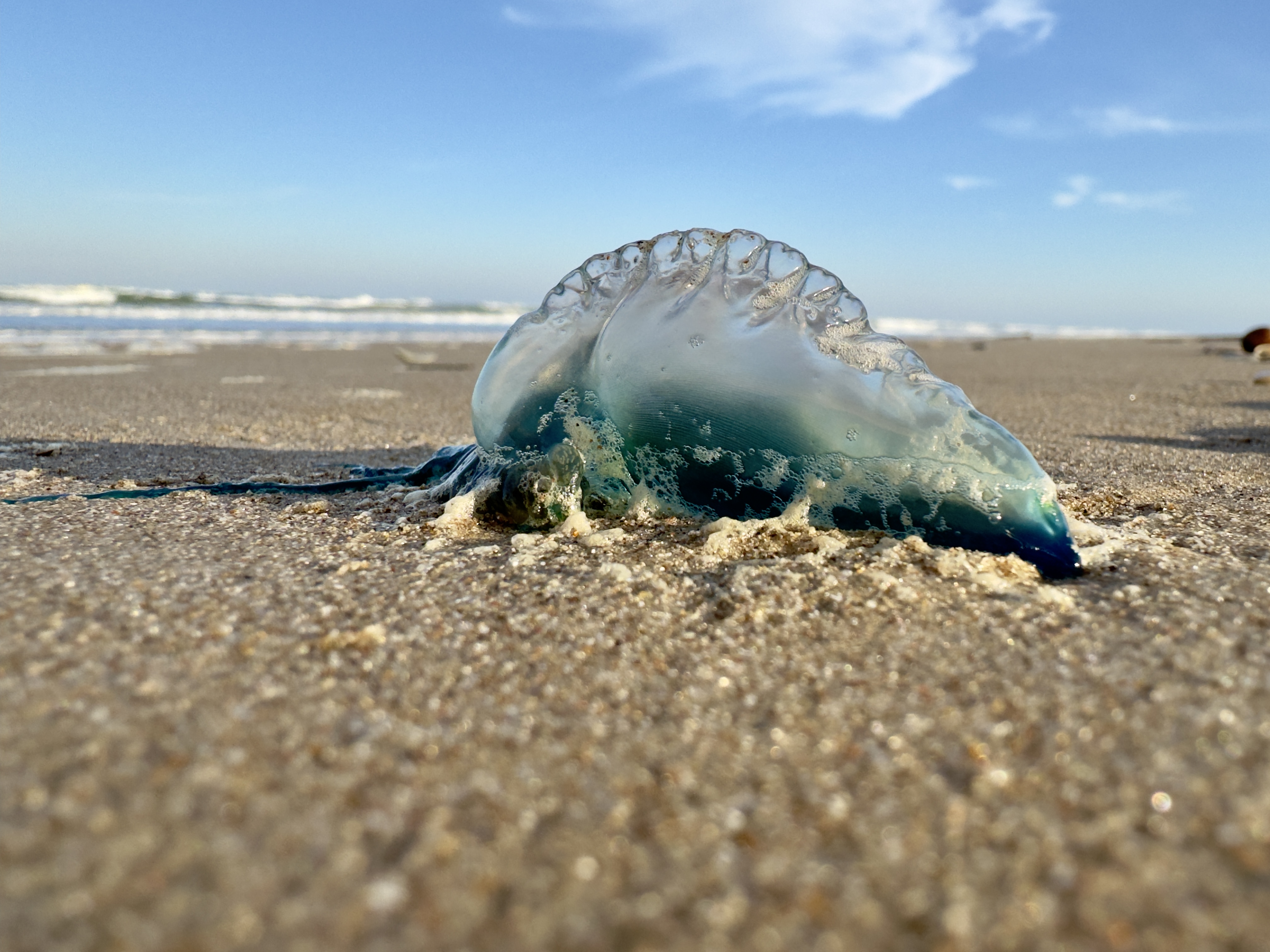
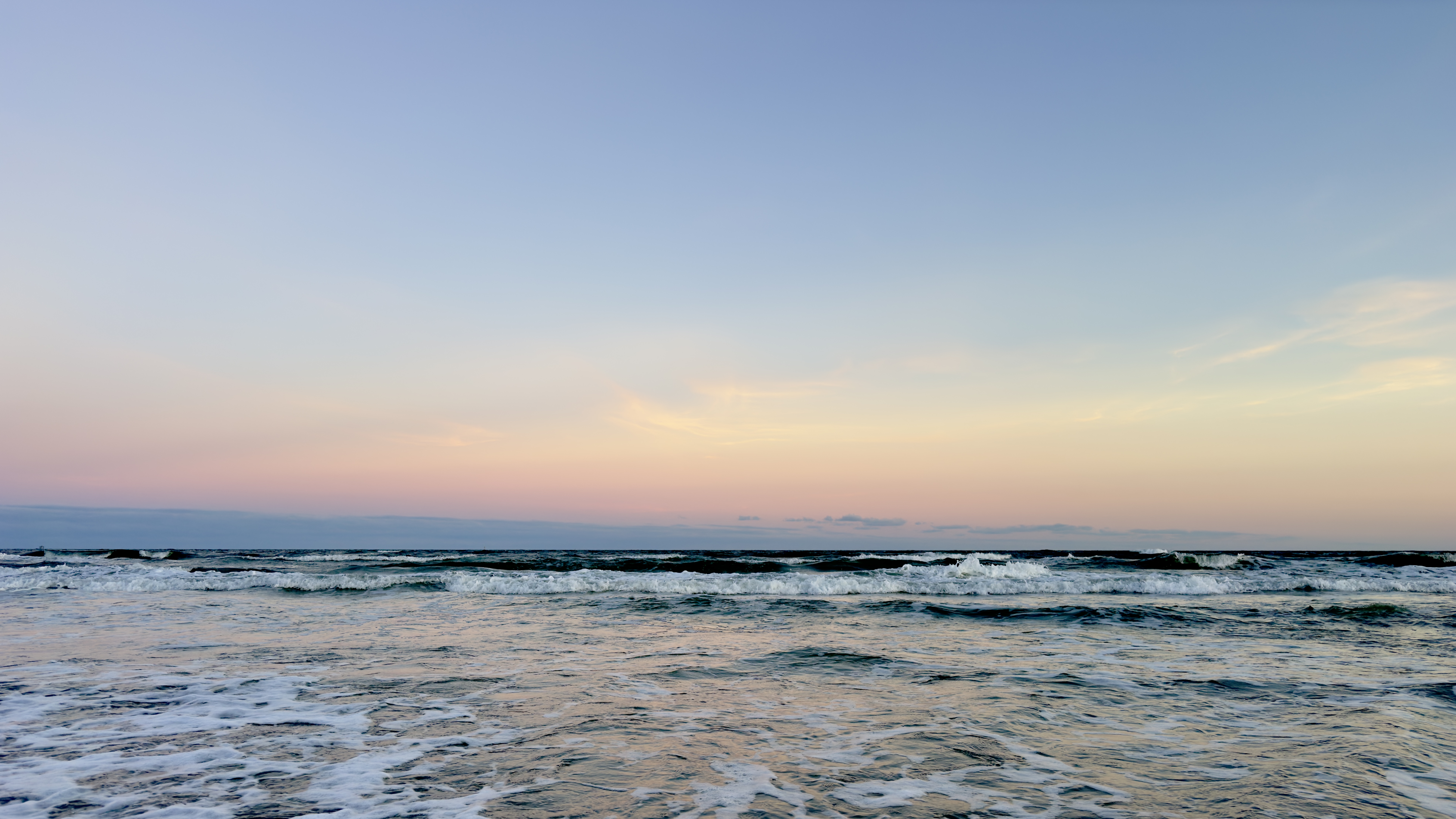
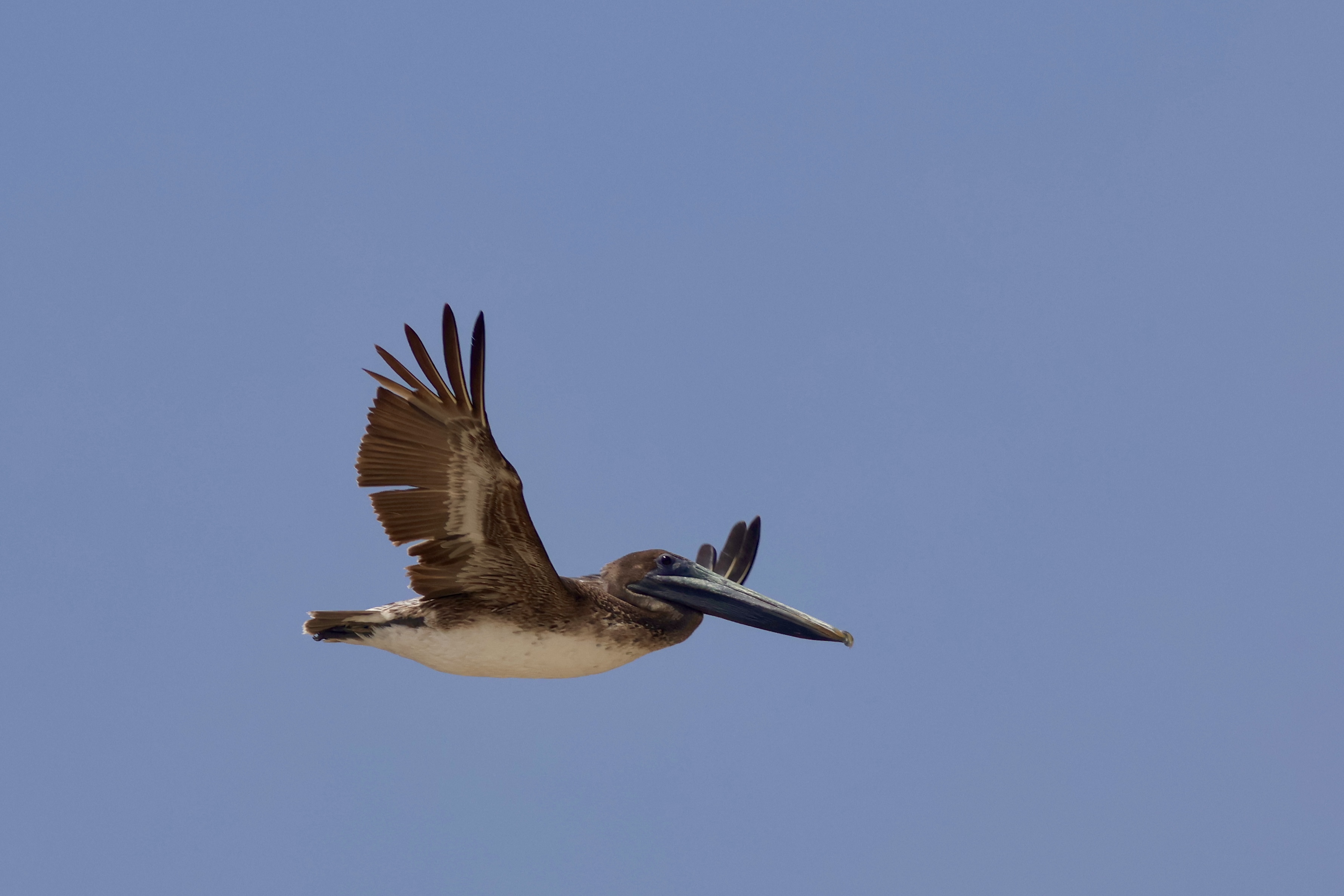
From the surf of the Gulf Coast to the open water — moments captured in the places I love most.
Contributing to the scientific literature on neurological aging, cognitive function, and mitochondrial biology.
Serving on the board of the Science Graduate Student Organization at Texas A&M Corpus Christi, supporting graduate students in marine and environmental science disciplines.
Competitively selected to present at the Pathways to Profession (P2P) Symposium at Tarleton State University, showcasing research to a multidisciplinary scientific audience.
Recipient of the Thomas and Susan Shirley Graduate Student Travel Endowed Scholarship in Marine Sciences, supporting participation in conferences and professional development.
Live updates from NOAA Fisheries, Texas Sea Grant, and Texas Parks & Wildlife — covering the latest in marine biology, ecology, and conservation along the Texas Gulf Coast.
Interested in collaboration, research opportunities, or marine biology conversations? I'd love to hear from you.